RCWL-0516
|
by Craig Miller
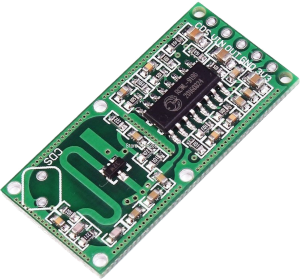
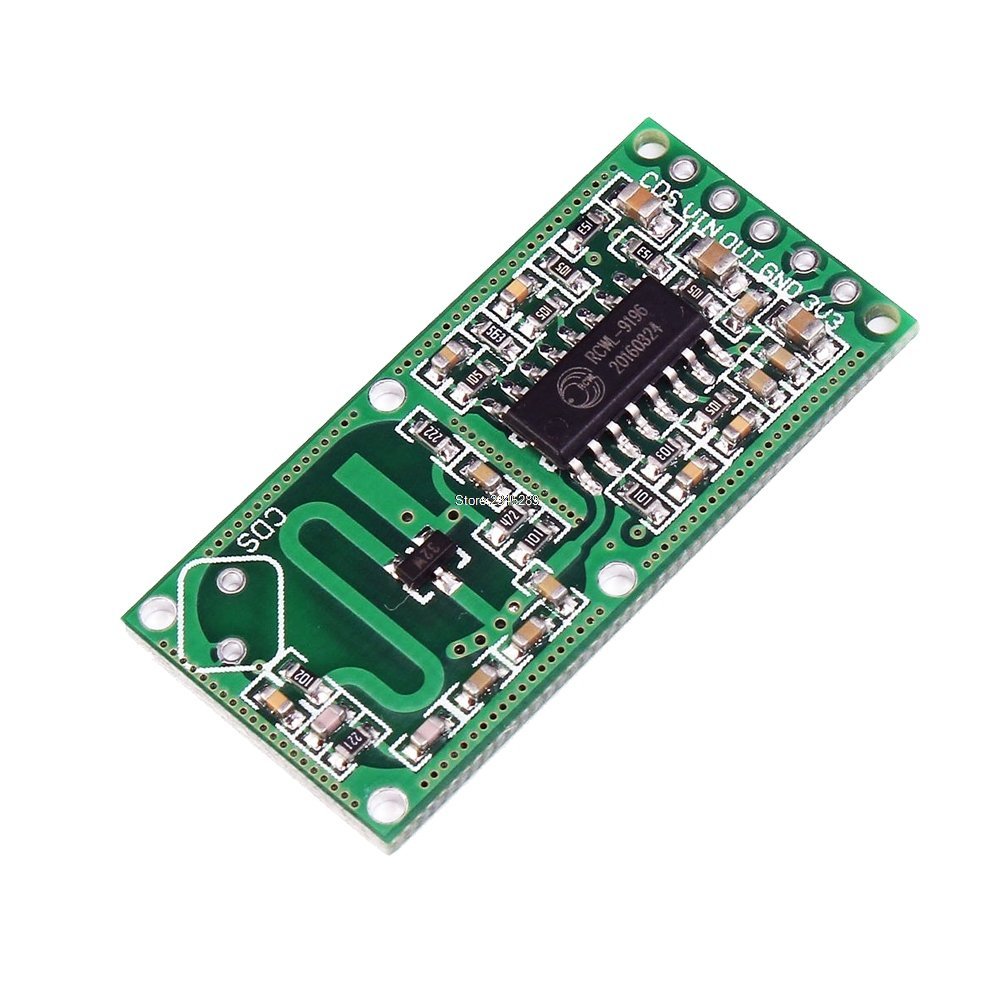
Playing with a Radar Distance detector, the RCWL-0156. Others will use this device to measure distance (up to 12m). But I was interested in the RF side. The device spec sheet says it transmits on 3.18 Ghz
Overview of the RCWL-0156
There is a good tutorial on the deivce at Lastminuteengineers.
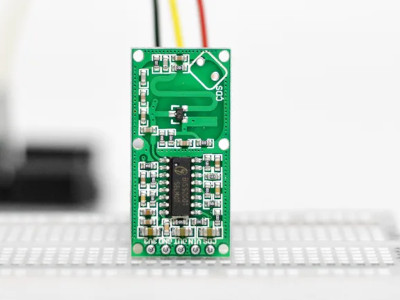
The device can be operated with or without a microprocessor (e.g. Arduino). From the article:
Technical Specifications
| Operating Voltage | 4-28V (typically 5V) |
| Detection Distance | 5-7 meters |
| Maximum Current Draw | ~ 2.7mA |
| Operating Frequency | ~3.18GHz |
| Transmission Power | 30mW (max.) |
| Signal length | ~ 2s |
| Regulated Output | 3.3V, 100mA |
Looking at RF
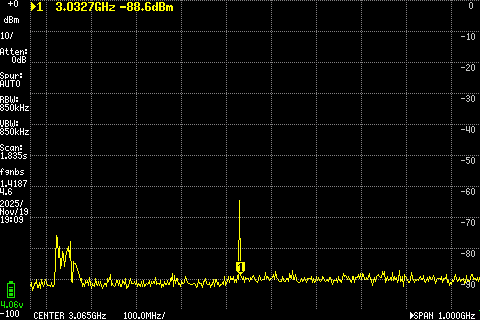
Focusing in on the Operating Frequency (as listed in the Technical Specs) of ~3.18Ghz. I used my TinySA Ultra+ Spectrum Analyzer to look at the band before powering up the device. Looking at the baseline of the band centered on 3 Ghz, with each division being 100Mhz (or a full one Ghz of view).
There is a small pip at 3.03 Ghz. Not sure what it is, but it isn't the RCWL, as it hasn't been powered up yet. However one can see a cell tower at 2.6 Ghz.
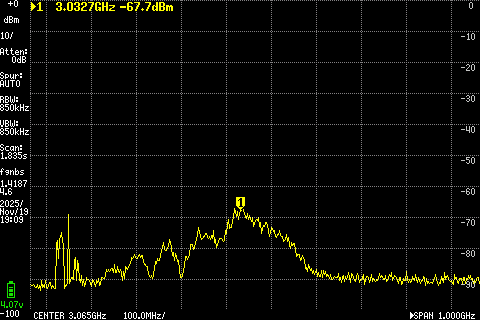
Just powering up the device, and it starts radiating. And then after powering it up, one can see a BIG hump of RF that is 500 Mhz wide! What a bandwidth hog.
Who has been allocated the 500 Mhz of spectrum
Frequency Spectrum usage is complex, and there are many users. From the FCC Spectrum Allocation Chart:
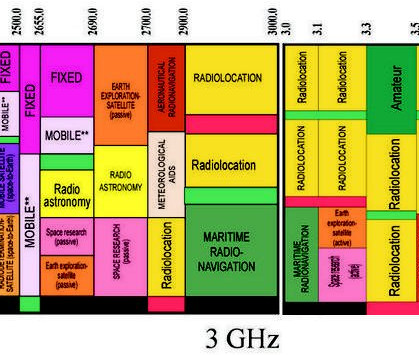
As you can see, lots of users, including radio location, mobile (cell) services, and even amateur radio.
Summary
The RCWL-0156 is a cool little device, but it sure eats up a lot of spectrum.
Notes: * RCWL image
22 November 2025
updated 25 November 2025